Research

The MINDS Lab develops computational methods for medical imaging and data science. We focus on clinically useful machine learning, multimodal representation learning, and robust modeling of heterogeneous biomedical data. We also focus on developing AI tools that enable personalized diagnostics and improve disease understanding.

Selected Projects

Earnest NMF AD staging project overview
Amyloid and tau staging

This repository develops data-driven biological staging models for Alzheimer's disease by combining amyloid and tau PET analyses with non-negative matrix factorization (NMF) to identify reproducible spatial pathology factors.

It includes preprocessing workflows, shared NMF factors, projection utilities for new datasets, and staging code to derive amyloid and tau severity labels for external cohorts.

Follow-up recommendations project overview
Follow-up recommendations

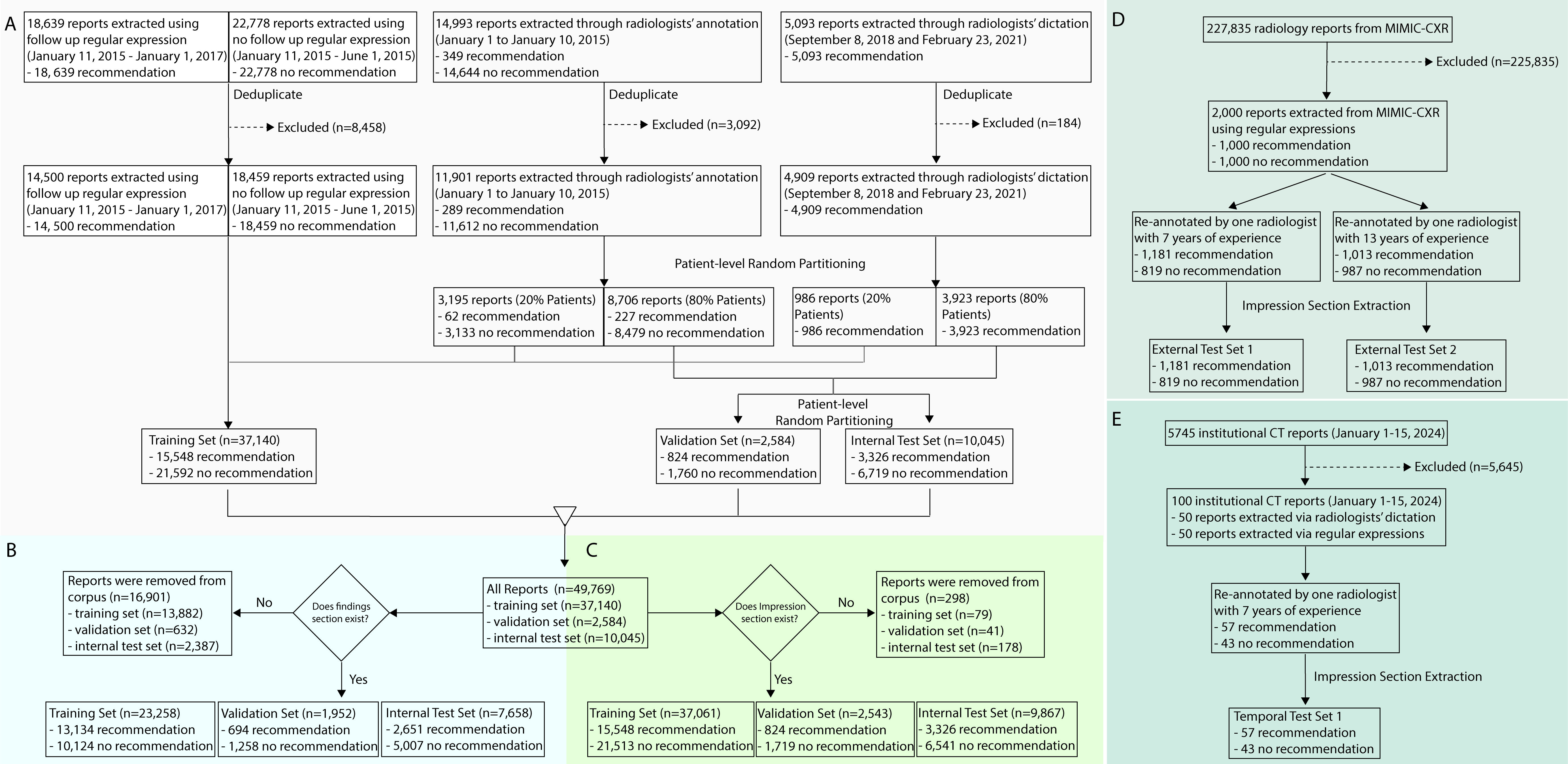
This repository provides code for large-scale machine learning evaluation of follow-up recommendation identification in radiology reports.

It includes dataset handling, model training, and benchmarking workflows supporting the Radiology 2025 study on report-level recommendation extraction.

Preclinical AD prediction project overview
Preclinical AD prediction

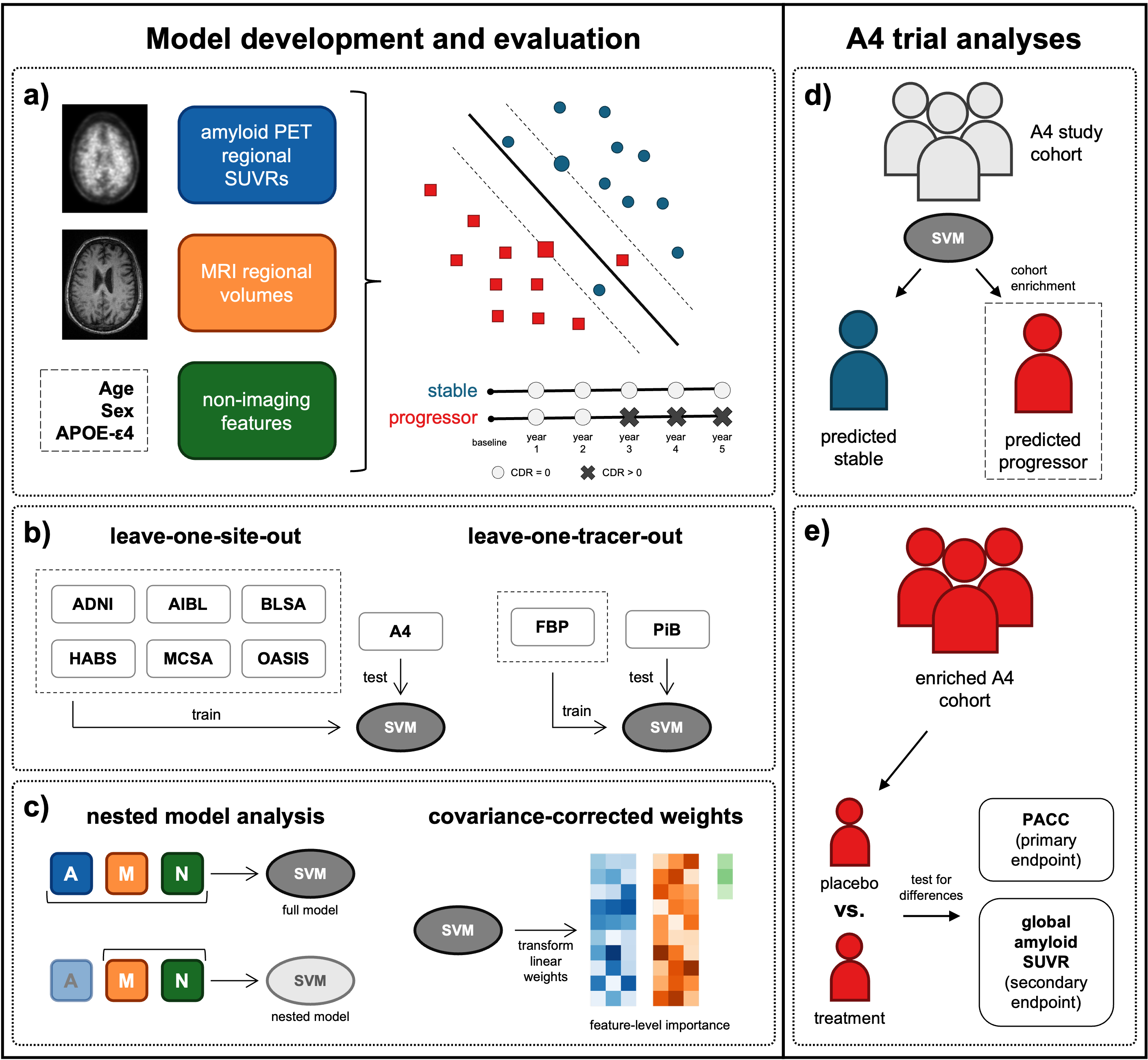
This repository contains code for predicting future cognitive impairment in preclinical Alzheimer's disease using multimodal amyloid PET and MRI features across multiple cohorts.

It includes data processing, subject selection, machine learning training and evaluation workflows, and figure/table generation for the Neurobiology of Aging 2026 study.

AmyloidPETNet project overview
AmyloidPETNet

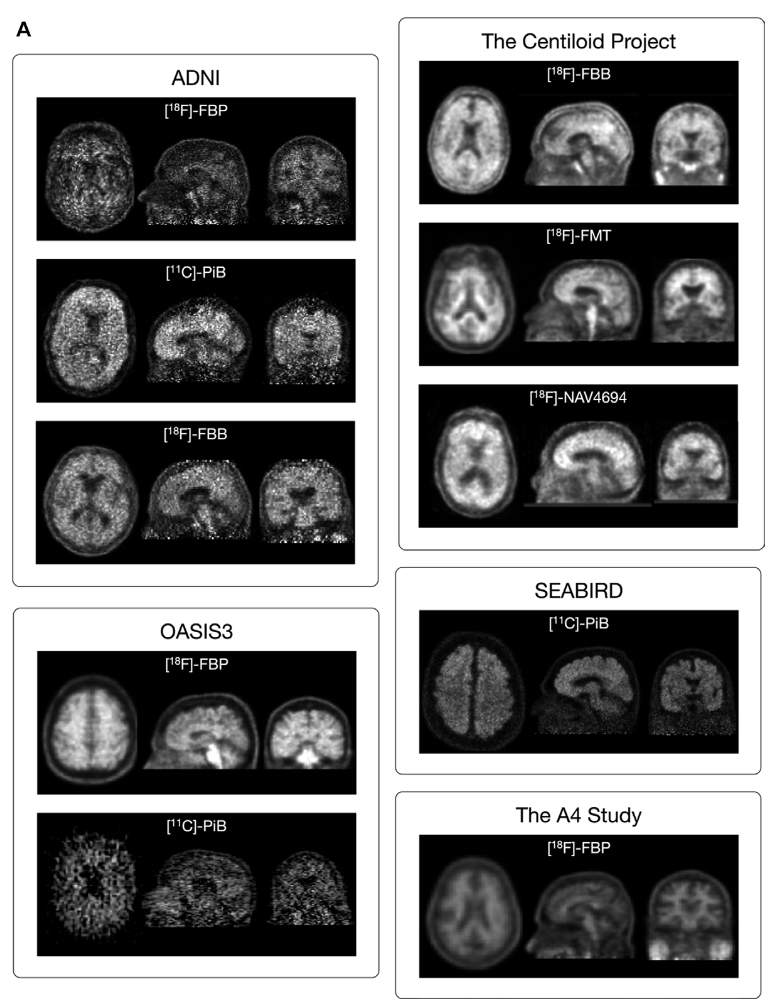
AmyloidPETNet is an end-to-end deep learning pipeline for classifying amyloid positivity directly from minimally processed brain PET scans, without requiring companion structural MRI.

The repository includes pretrained weights for inference, a training pipeline for adapting the model to new datasets, and preprocessing utilities for NIfTI PET frames and optional visualization outputs.

SC-VAE project overview
SC-VAE

SC-VAE is the official implementation of Sparse Coding-based Variational Autoencoder with learned ISTA for representation learning.

The repository contains model training code, configuration-based experiments, and associated resources for reproducing results from the published work.

DLK D-Net project overview
DLK (D-Net)

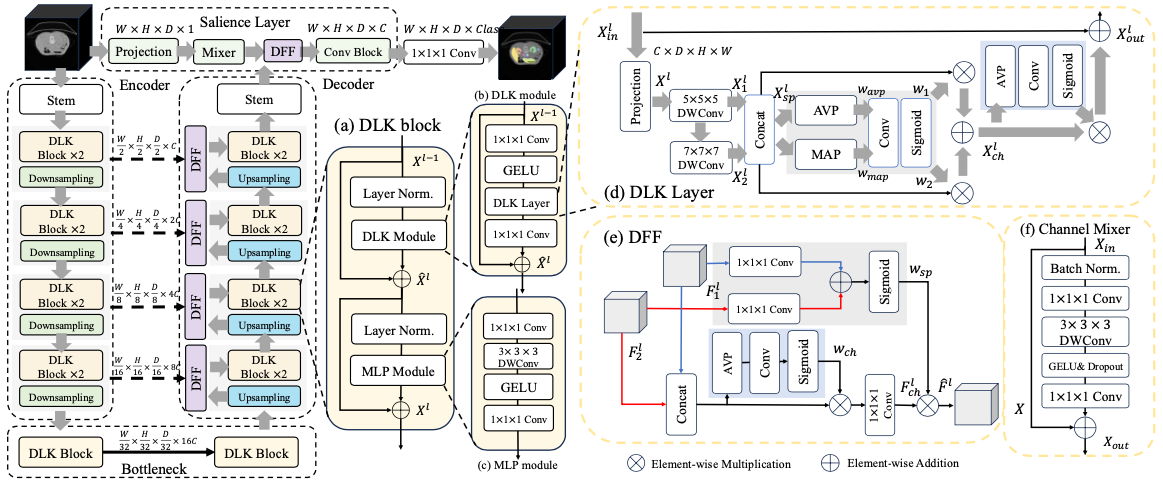
This repository provides the official implementation of D-Net, introducing Dynamic Large Kernel (DLK) and Dynamic Feature Fusion (DFF) modules for volumetric medical image segmentation.

The framework combines hierarchical transformer representations with adaptive multi-scale convolutional components to improve segmentation performance while keeping computational complexity practical.

AD biomarker modeling project overview
AD biomarker modeling

This repository evaluates variability in AT(N) biomarker operationalizations for predicting cognition in Alzheimer's disease using multimodal imaging and clinical data.

It provides reproducible modeling scripts, experiment pipelines, and figure-generation utilities for cross-validated regression and SVM analyses.

dsopNMF project overview
dsopNMF

This repository accompanies the IPMI 2023 work on scalable orthonormal projective NMF via diversified stochastic optimization.

It provides opNMF/sopNMF implementations with stochastic and DPP-based sampling strategies to improve scalability for large neuroimaging datasets.

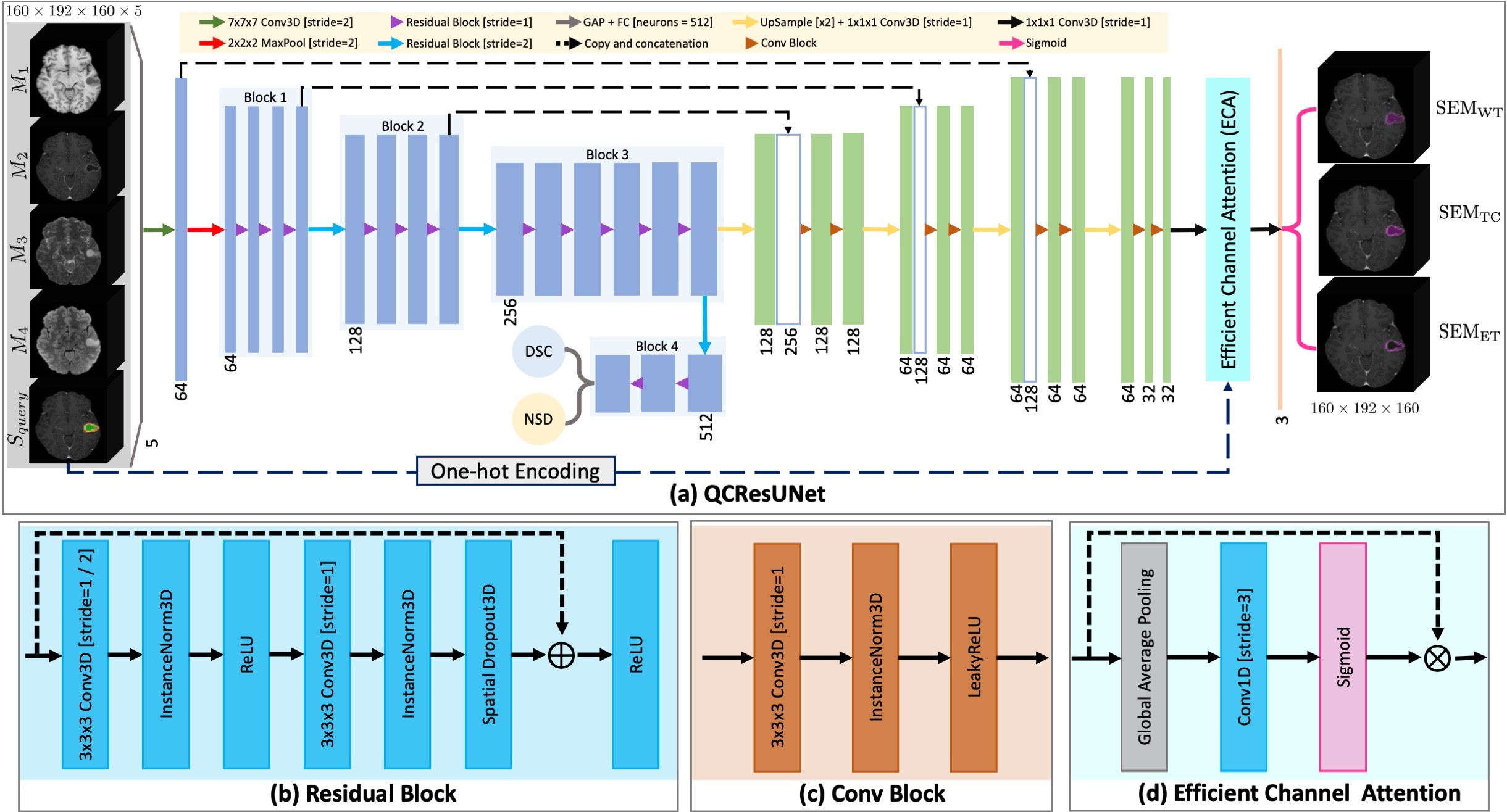
QCResUNet project overview
QCResUNet

QCResUNet is a deep learning framework for joint subject-level and voxel-level segmentation quality prediction in medical imaging.

The repository includes model architectures, training scripts, and quality control workflows to support robust segmentation assessment.