Clinical Applications
We bring the methods above to bear on specific disease areas - Alzheimer’s disease, brain tumors, and psychiatric disorders - with the goal of personalized diagnostics and improved disease understanding.
- Alzheimer’s Disease & Aging - amyloid/tau staging and biomarker modeling (Tom Earnest), AD heterogeneity subtyping in clinical (Gordon An) and research (Sayantan Kumar) cohorts, amyloid PET classification (Shawn Fan, AmyloidPETNet), and preclinical AD prediction from multimodal amyloid PET and MRI (yang_preclinical_AD_prediction, Jin Yang/Braden Yang† - Neurobiology of Aging, 2026).
- Neuro-Oncology - molecular subtype prediction for gliomas (Satrajit Chakrabarty) and organ/tumor segmentation frameworks (Jin Yang, Peijie Qiu).
- Psychiatric Disorders - risk factors for psychopathology across development (Robert J. Jirsaraie).
- Brain Development - white matter maturation in neonates (Nazeri et al., external collaboration).
- Clinical Imaging Informatics - automated extraction of follow-up recommendations from radiology reports (Pan et al., external collaboration) and segmentation quality control deployed at scale (Peijie Qiu).
Related GitHub Projects
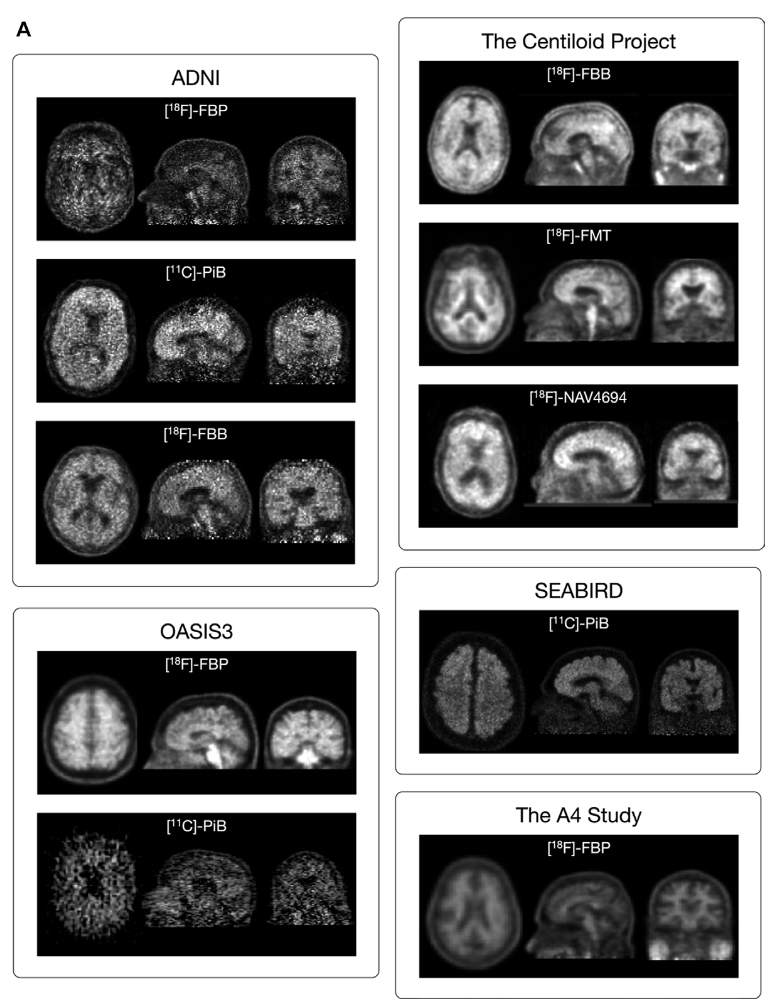
AmyloidPETNet is an end-to-end deep learning pipeline for classifying amyloid positivity directly from minimally processed brain PET scans, without requiring companion structural MRI.
The repository includes pretrained weights for inference, a training pipeline for adapting the model to new datasets, and preprocessing utilities for NIfTI PET frames and optional visualization outputs.
This repository supports preclinical Alzheimer's disease prediction from multimodal amyloid PET and MRI.
The work combines imaging biomarkers and machine learning models for risk stratification in the preclinical AD setting.
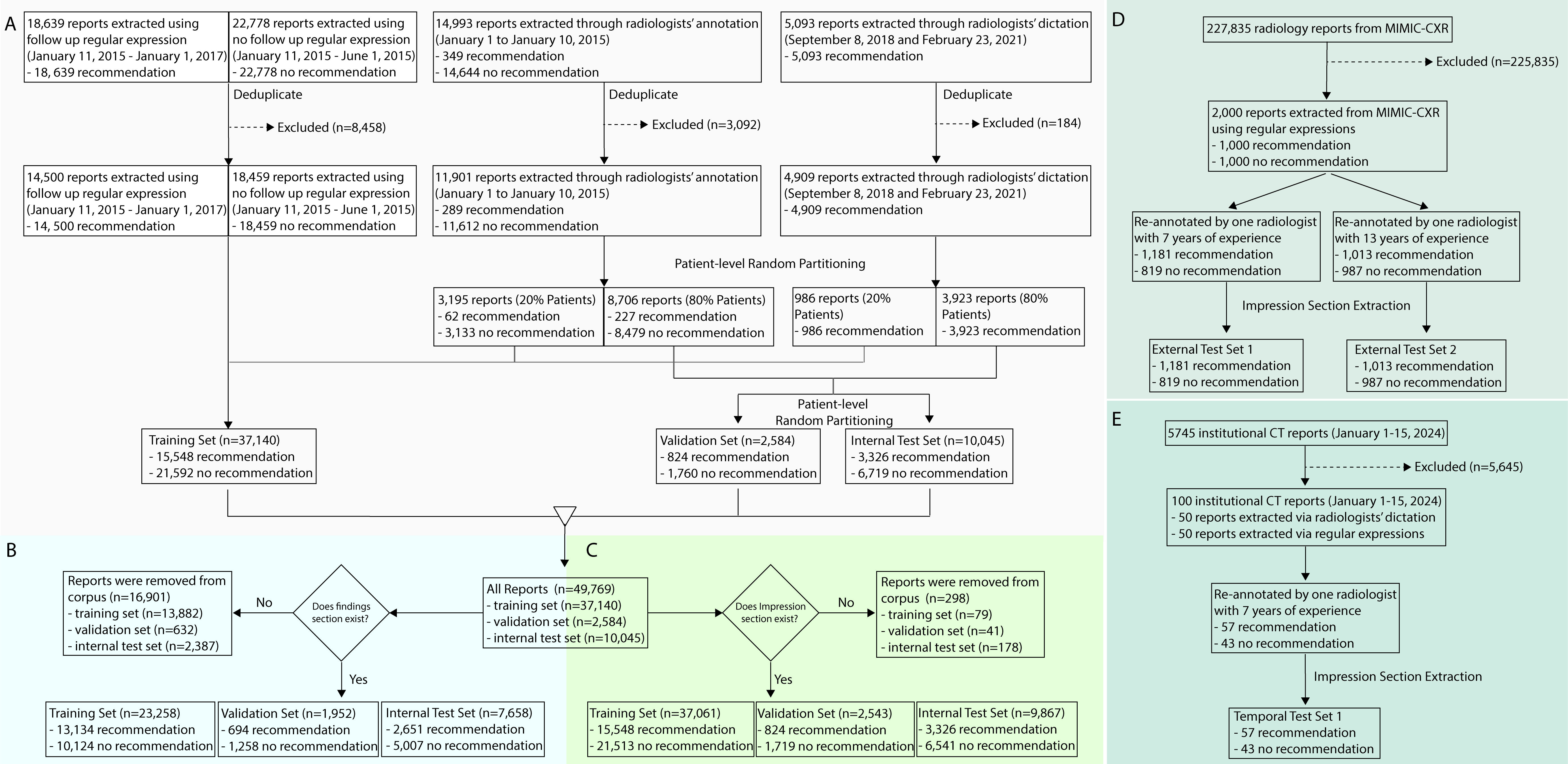
This repository provides code for large-scale machine learning evaluation of follow-up recommendation identification in radiology reports.
It includes dataset handling, model training, and benchmarking workflows supporting the report-level recommendation extraction studies referenced on this page.
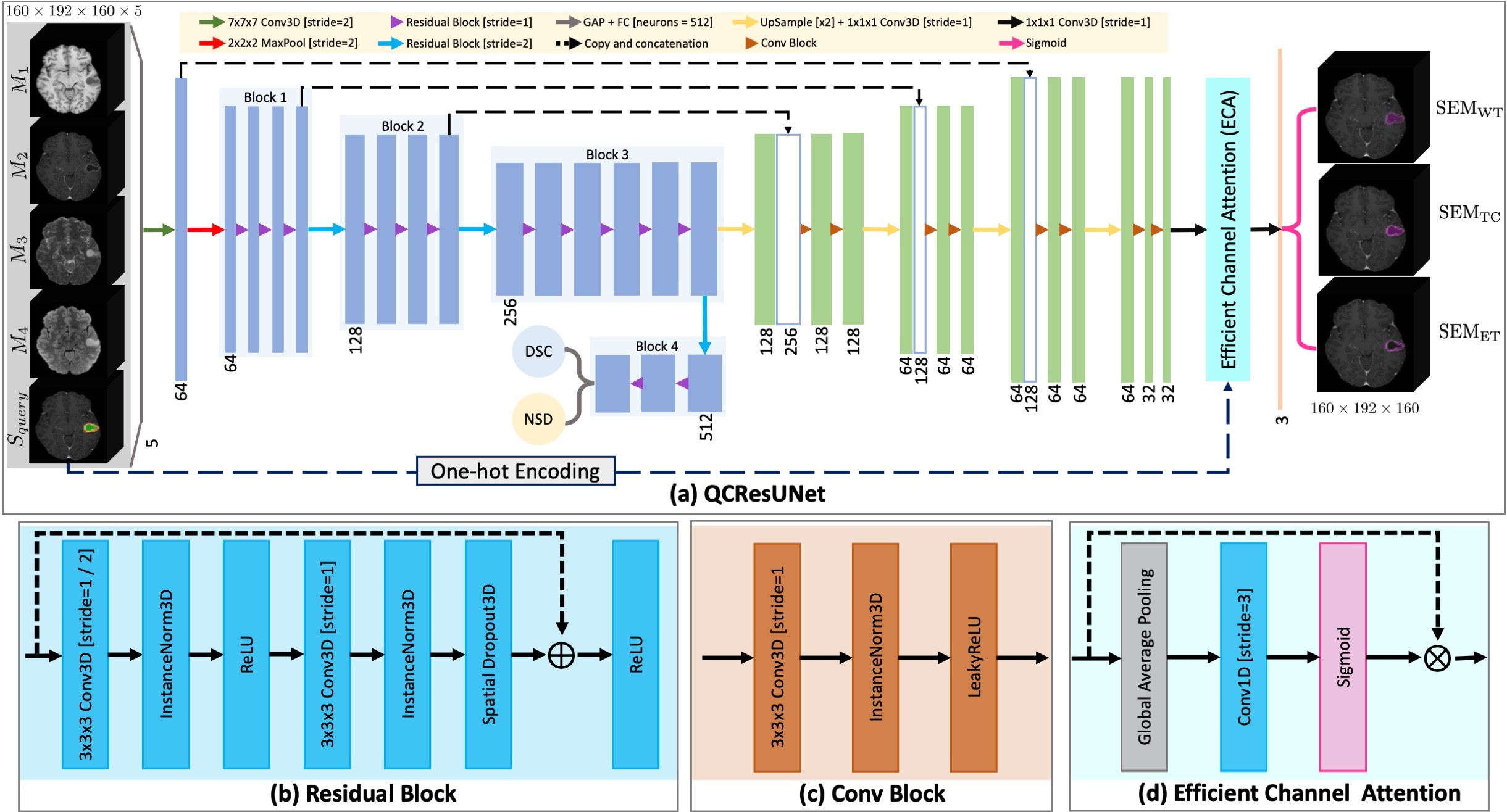
QCResUNet is a deep learning framework for joint subject-level and voxel-level segmentation quality prediction in medical imaging.
The repository includes model architectures, training scripts, and quality control workflows to support robust segmentation assessment at scale.