AI Foundations & Translational Imaging Science
This pillar spans representation learning, AI algorithms for image analysis, and AI-enabled platforms that support translational imaging research - from foundational methods through to tools deployed on real clinical data.
Representation learning
- Abdalla Bani - Scalable Orthonormal Projective NMF via Diversified Stochastic Optimization (Information Processing in Medical Imaging (IPMI), 2023); code released as dsopNMF.
- Pan Xiao (alum) - A generative-discriminative deep learning approach to classify radiology reports based on the presence of follow up recommendations (Medical Imaging 2023: Imaging Informatics for Healthcare, Research, and Applications); implementation released as SC-VAE.
- Peijie Qiu - VAE framework based on Wasserstein barycenters (AAAI Conference on Artificial Intelligence, 2025, oral).
Image analysis algorithms
- Satrajit Chakrabarty (alum) - MRI-based classification of IDH mutation and 1p/19q codeletion status of gliomas using a 2.5 D hybrid multi-task convolutional neural network (Neuro-Oncology Advances, 2023).
- Satrajit Chakrabarty (alum) - Non-invasive classification of IDH mutation status of gliomas from multi-modal MRI using a 3D convolutional neural network (Medical Imaging 2023: Computer-Aided Diagnosis).
- Jin Yang (alum) - Abdominal CT pancreas segmentation using multi-scale convolution with aggregated transformations (Medical Imaging 2023: Computer-Aided Diagnosis), and volumetric segmentation via Dynamic Large Kernel / Dynamic Feature Fusion, with Peijie Qiu; released as DLK (D-Net).
- Peijie Qiu - QCResUNet: Joint Subject-Level and Voxel-Level Prediction of Segmentation Quality (Medical Image Computing and Computer-Assisted Intervention, 2023); released as QCResUNet.
Translational platforms
- Shawn Fan (alum) - AI tool to interpret amyloid PET scans (Radiology, 2024); released as AmyloidPETNet, an end-to-end pipeline classifying amyloid positivity directly from minimally processed PET scans without a companion structural MRI.
- Pan Xiao and collaborators - AI tool to analyze radiology reports for follow-up recommendations (preliminary version: Medical Imaging 2023: Imaging Informatics for Healthcare, Research, and Applications; journal extension: Radiology, 2025); released as Follow-up-recommendations. (External collaborator, not a current lab member.)
- Satrajit Chakrabarty (alum) - modular, AI-driven pipelines for large-scale, reproducible imaging research, contributed as part of the NIH-funded I3CR center (JCO Clinical Cancer Informatics, 2023).
Related GitHub Projects
This repository accompanies the IPMI 2023 work on scalable orthonormal projective NMF via diversified stochastic optimization.
It provides opNMF/sopNMF implementations with stochastic and DPP-based sampling strategies to improve scalability for large neuroimaging datasets.
SC-VAE is the official implementation of Sparse Coding-based Variational Autoencoder with learned ISTA for representation learning.
The repository contains model training code, configuration-based experiments, and associated resources for reproducing results from the published work.
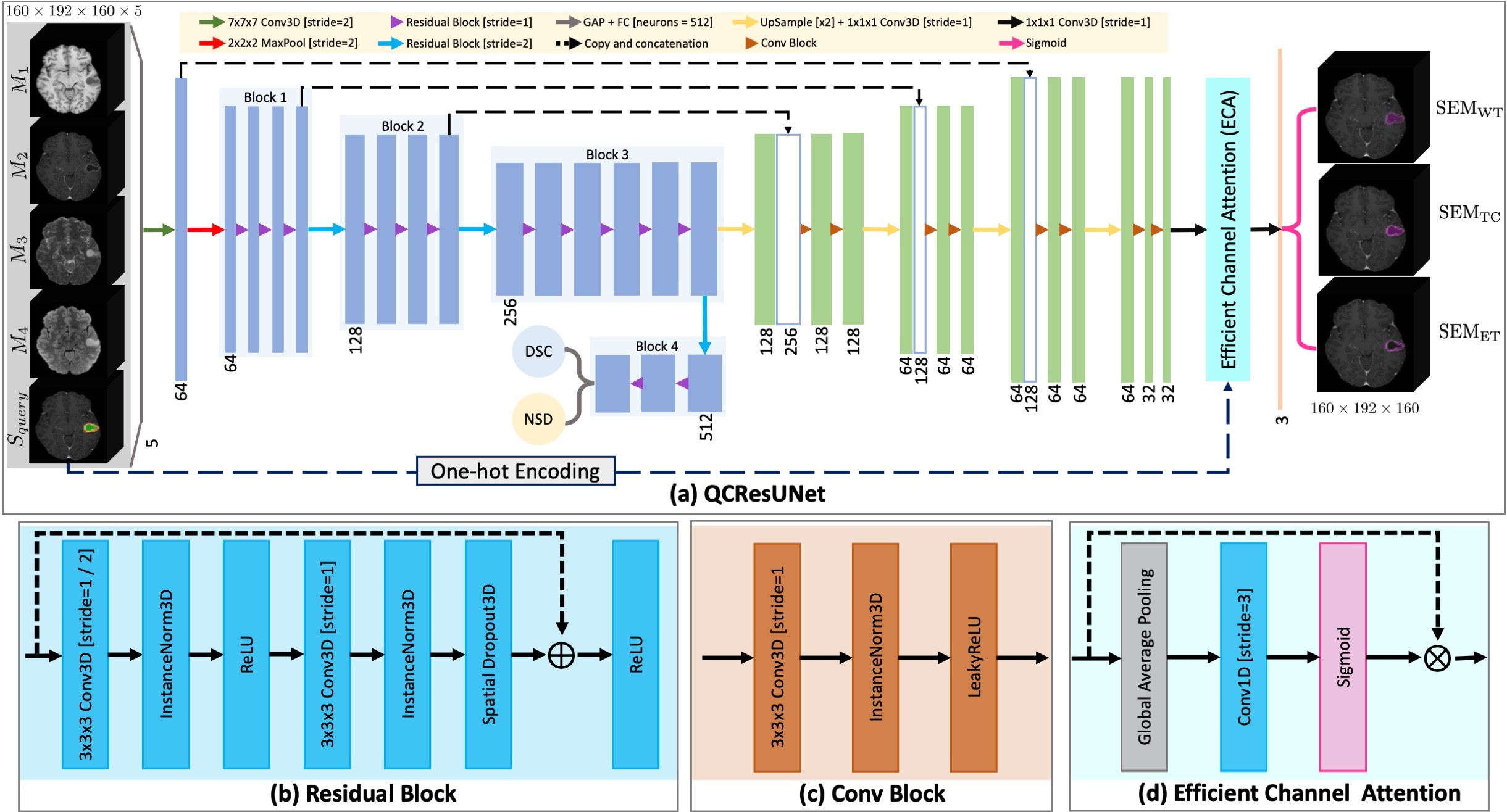
QCResUNet is a deep learning framework for joint subject-level and voxel-level segmentation quality prediction in medical imaging.
The repository includes model architectures, training scripts, and quality control workflows to support robust segmentation assessment.
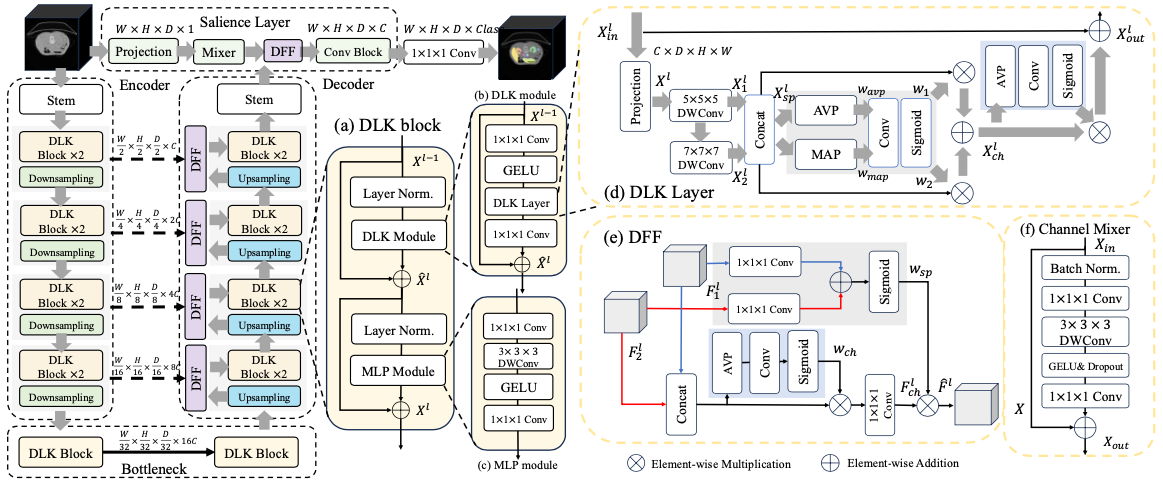
This repository provides the official implementation of D-Net, introducing Dynamic Large Kernel (DLK) and Dynamic Feature Fusion (DFF) modules for volumetric medical image segmentation.
The framework combines hierarchical transformer representations with adaptive multi-scale convolutional components to improve segmentation performance while keeping computational complexity practical.
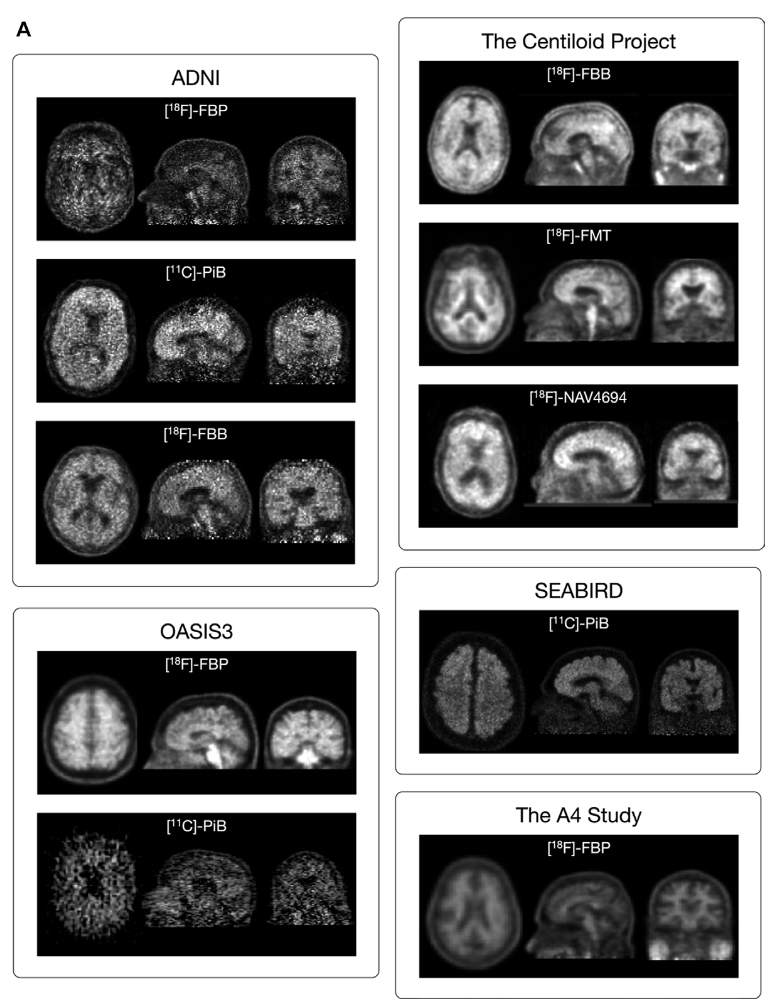
AmyloidPETNet is an end-to-end deep learning pipeline for classifying amyloid positivity directly from minimally processed brain PET scans, without requiring companion structural MRI.
The repository includes pretrained weights for inference, a training pipeline for adapting the model to new datasets, and preprocessing utilities for NIfTI PET frames and optional visualization outputs.
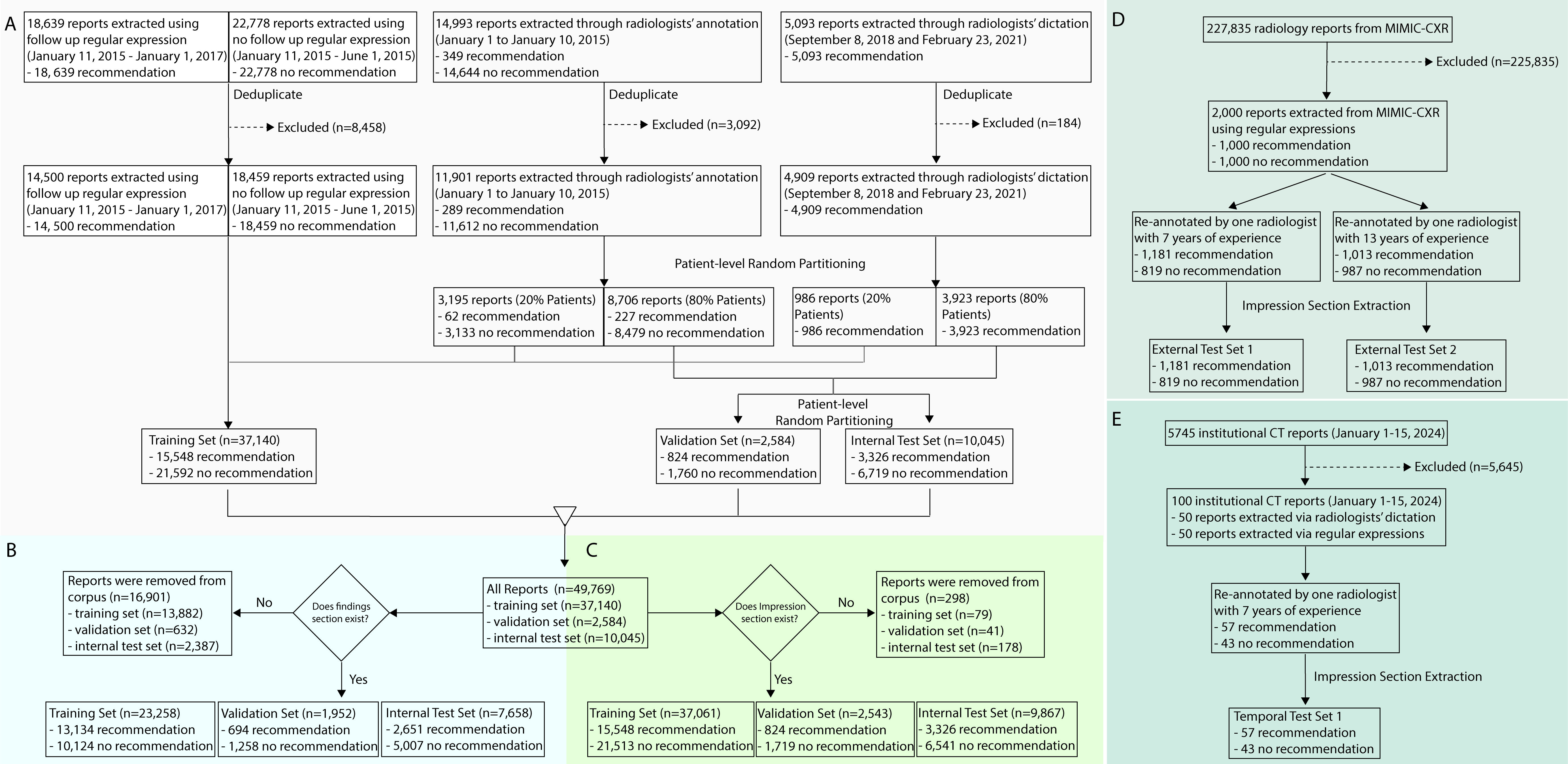
This repository provides code for large-scale machine learning evaluation of follow-up recommendation identification in radiology reports.
It includes dataset handling, model training, and benchmarking workflows supporting the Radiology 2025 study on report-level recommendation extraction.